Articles
RPM is now officially employee-owned!
Why retail has gone all in on fantasy this year
09/12/2025Christmas and escapism go hand-in-hand; the joy of the season piercing through the wintry gloom.
It’s big business too, with 89% of Britons celebrating the occasion and over a third of non-celebrators planning to buy gifts for loved ones. (YouGov 2025)
But it’s no secret that the past years have felt gloomier than usual. The cost-of-living crisis continues with no clear end in sight, while the news cycle brings little relief. And although many are excited about the advent of AI, constant discussion has also led to a wave of uncertainty and growing digital fatigue.
As such, shoppers are craving respite more than ever.
The answer is a lot cheerier. This year, the big players have rallied, bringing a double helping of good old-fashioned escapism back to the capital.
Read on to see how retailers have been meeting shoppers’ needs for festive light.
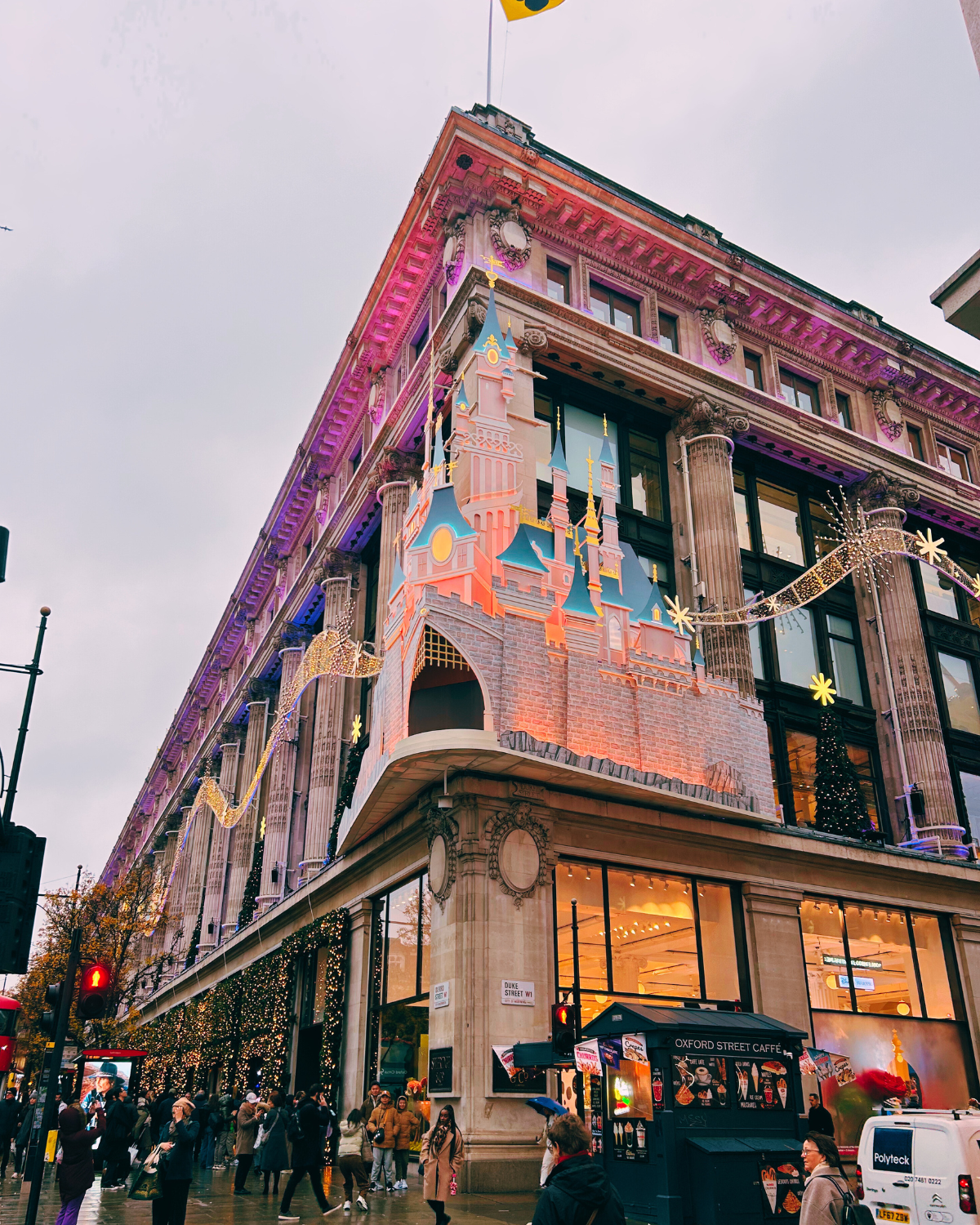
More than any other time of year, Christmas evokes feelings of magic and wonder. By pulling on fairytales and fantasy and dialling up the cosiness, retailers can turn physical retail into places of escape. It’s a move that recognises where shoppers are emotionally right now, seeking comfort, immersion and a little bit of magic to offset the everyday.
This year, stores led with a fantastical lens, giving shoppers permission to dive into indulgence through magical, fairytale, worlds.
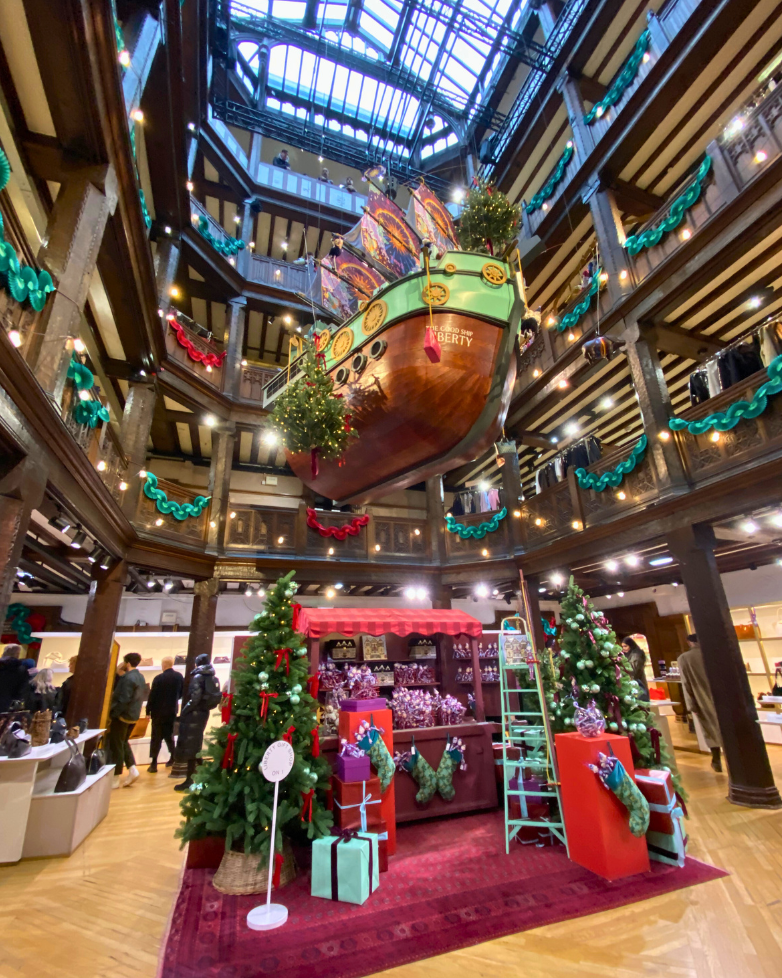
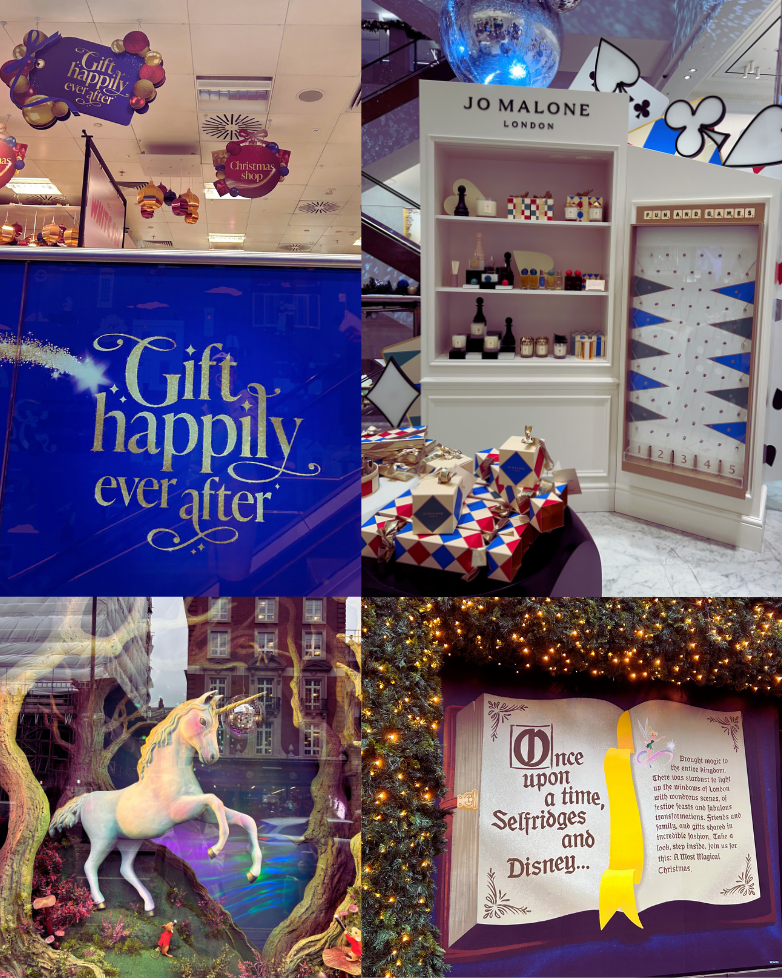
Boots urged shoppers to ‘Gift happily ever after’, Selfridges unveiled a store-wide partnership with Disney, and Liberty’s central atrium was transformed by a huge pirate ship, reminiscent of Peter Pan. Alice in Wonderland was present in the tablescapes at Fortnum & Mason, while John Lewis invited shoppers into immersive home scenes, creating mini worlds within store.
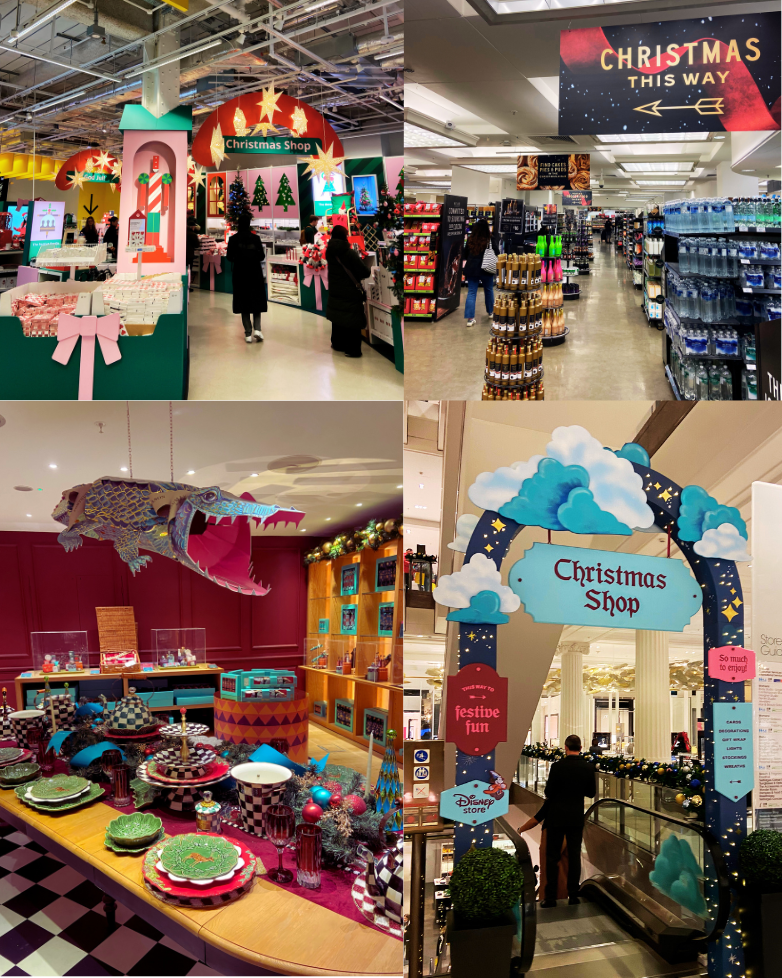
Christmas shopping is often a stressful affair. Huge crowds, too many people, and too much choice. By setting out designated zones, retailers can signal their understanding of shoppers’ need for efficiency, while keeping the magic of the season alive. It’s also a play that showcases what makes their version of Christmas unique.
Across the board, retailers used signposting to make shoppers’ lives easier, and the in-person experience more enjoyable.
In M&S, large bows directed shoppers to their favourite festive foods reinforcing their reputation as the home of Christmas treats. In Boots, vinyl wraps on escalators seamlessly guided shoppers to gifts, while IKEA made things easy with a one-stop-shop for decorations and gift wrap. John Lewis, Fortnum & Mason, and Liberty all kept the fantasy theme going strong, with immersive Christmas areas; simplifying the shopper journey all while amplifying the in-store experience. Each space felt curated, emphasising discovery, exploration and emotional buy-in.
Retailers have a huge opportunity to tap into the trend of ‘little treat’ culture and offer shoppers small, relatively low-cost ways to collect, curate, and express their personalities through product, layout and experience. Christmas has become something shoppers assemble which is a reflection of identity, not just tradition.
As well as gifts for loved ones, the collecting craze was evident throughout retailers, where baubles and collectable treats reigned supreme.
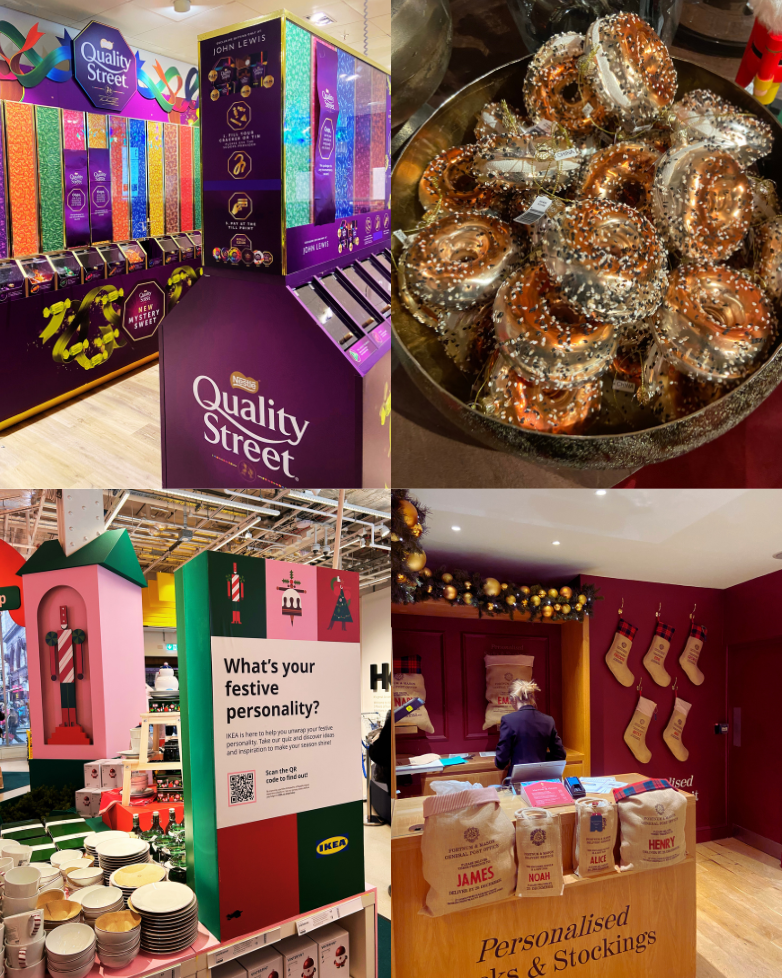
John Lewis has brought back their ever-popular build-your-own Quality Street box, playing into the desire for personalisation. Shoppers either fill up an old tin or add the 2025 tin to their collection, with additional seasonal whimsy in an exclusive mystery flavour. Across retailers, whimsical and often humorous baubles reflect shoppers’ desires for homes to be expressions of themselves. John Lewis, Liberty, and IKEA all played into this, categorising decorations by ‘personalities’, and IKEA took it one step further, with QR codes linking to an online quiz to ‘find your Christmas persona’.
Increasingly, brands and retailers are seeing the benefit in a blended approach to digital activations (‘phygital’ being physical and digital). These activations enhance the shopper experience, offer extra reward for coming in store, and give retailers valuable engagement data.
IKEA’s quiz was just the start. Retailers used digital media to blur the line between offline and online, rewarding the shopper for coming into the physical store.
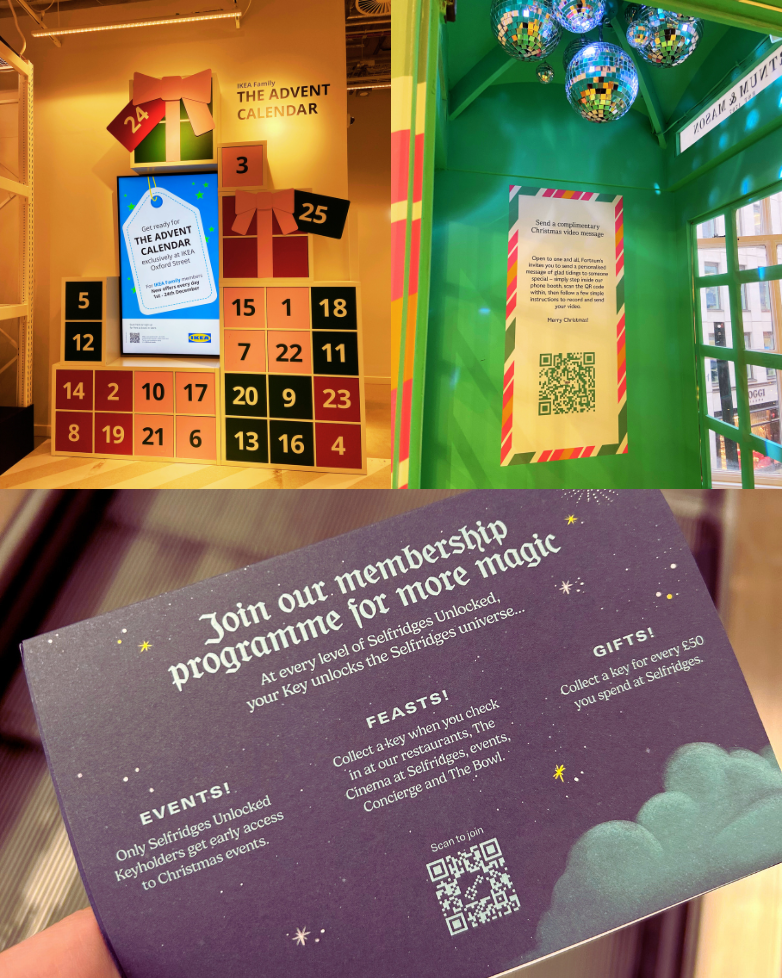
At Apple, shoppers used in-store iPads to enter a festive drawing competition; in Fortnum & Mason, a physical phone box came to life through a QR code and visitors could send a digital letter to friends; Selfridges offered in-app rewards in return for in-store visits; and IKEA used QR codes on their digital advent calendar to unlock daily offers – but only when scanned in store.
Together, these trends show how retailers have responded to what shoppers are craving this Christmas. In an uncertain world, brands must now over deliver emotionally, and by bringing escapism, fantasy, and festive cheer, the physical store becomes a haven of joy, spectacle, and ease.